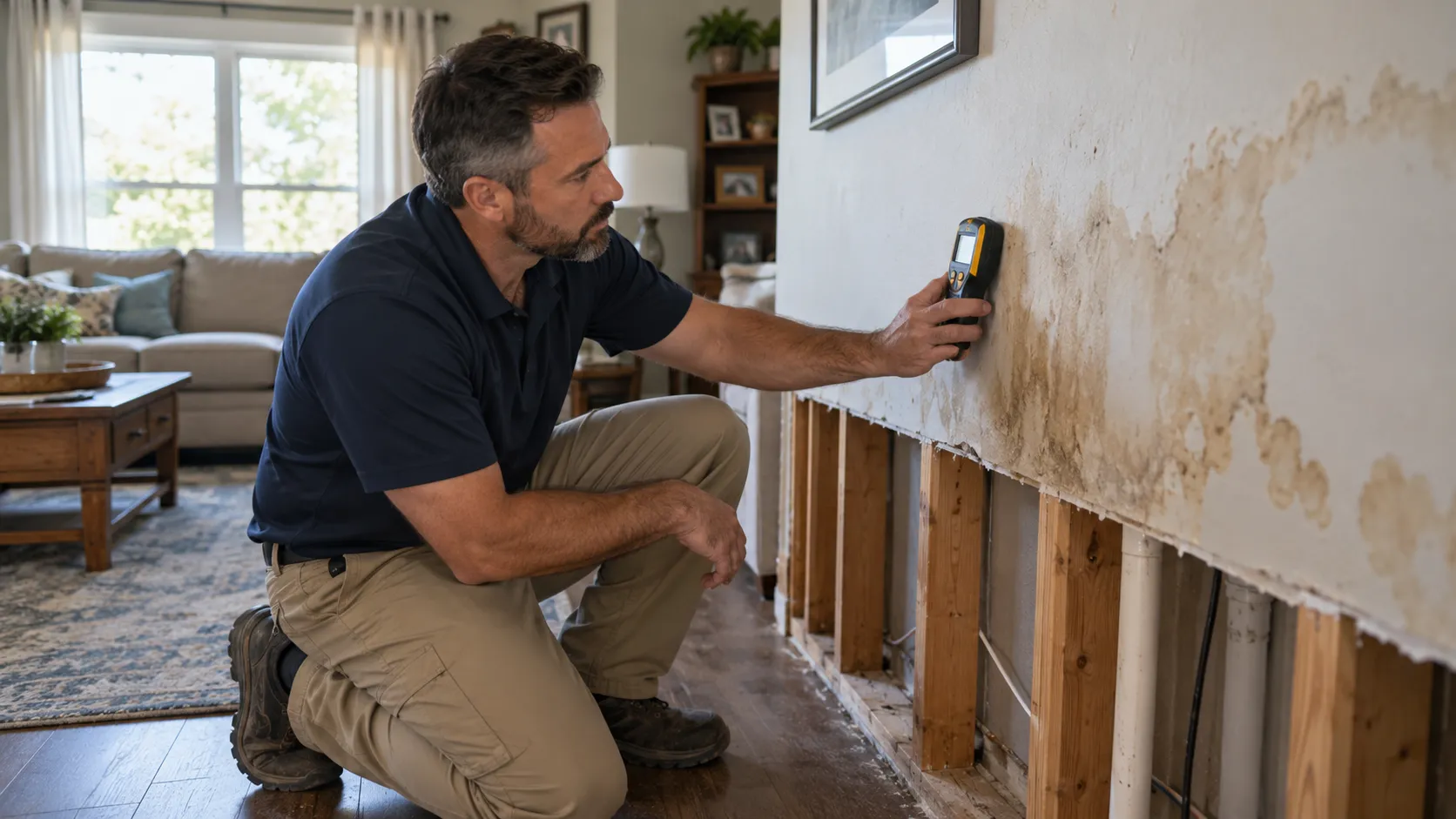
Water Damage Restoration Services
Pathensure Restoration connects homeowners with independent local providers for Water Damage Restoration Services in Jacksonville.
Unsure what you can safely handle after a leak or storm? Pathensure Restoration connects homeowners with independent local providers for assessment, water removal, and drying. Ask about provider availability.
Jacksonville Switzerland Orange Park Yulee Fruit Cove Palm Valley Fleming Island Jacksonville Beach Fernandina Beach Oakleaf Plantation Neptune Beach Lakeside Green Cove Springs St. Johns Asbury Lake
Providers in our network offer Water Damage Restoration Services, Flooded Basement Cleanup Services, and Water Extraction & Structural Drying Services. Start with the problem you can describe. A local provider can assess which services fit the damage and explain the proposed work.
Pathensure Restoration connects homeowners with independent local providers for Water Damage Restoration Services in Jacksonville.
Pathensure Restoration connects homeowners with independent local providers for flooded basement cleanup, with safety checks before hands-on work.
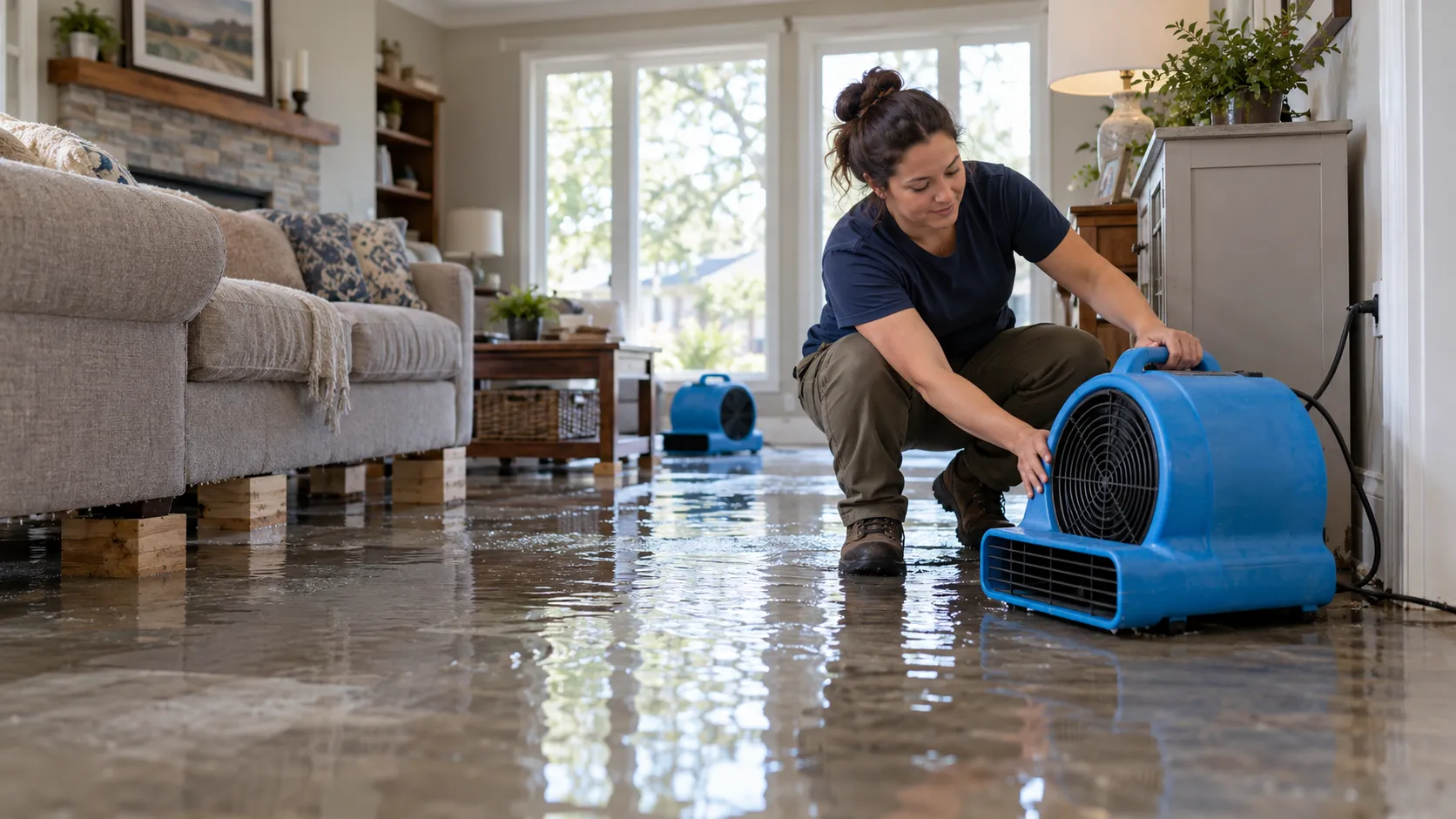
Pathensure Restoration connects homeowners with independent local providers who extract water, track hidden moisture, and dry affected building materials.
Tell us where the water reached and what you have noticed. Ask about a local provider or request an estimate for your home.
No obligationBefore picking up a mop, look at where the water sits. Stay out of rooms with sagging ceilings, damaged wiring, or water near outlets. Do not enter standing water to reach a switch or appliance. If there is a possible electrical hazard, seek qualified help before going closer.
For a small leak from a known clean source, you may be able to shut off an accessible water valve from a dry spot. Move loose belongings only when the route is safe. Take photos from dry ground. Leave heavy, soaked materials and hidden spaces for an assessment.
Pathensure Restoration is a referral service serving homeowners near Jacksonville, Florida. Providers in our network handle water damage restoration, flooded basement cleanup, water extraction, and structural drying. They assess the property and explain their own scope and pricing.
Request a callback to check provider availability and describe the damage. Share whether the source is still active and which rooms are affected. A clear account helps a local provider understand what to assess, including moisture that may sit below a floor that looks dry.
Pathensure Restoration connects homeowners with independent local water damage restoration providers. Pathensure Restoration does not inspect, extract water, dry buildings, or carry out repairs. The provider discusses the job with you, checks the property, and offers the work it can perform. You decide whether to accept its proposal.
That distinction matters when you have questions about equipment, access, payment, or repairs. Direct those questions to the provider doing the work. Ask who your contact will be and how changes to the scope will be explained before you agree to them.
You do not need to diagnose the whole problem before asking for help. Start with what you can see from a safe place. Explain when you noticed the water, whether it is still entering, and what surfaces it touched. Mention an upstairs leak, storm entry, or possible drain backup if known.
Say if the home is occupied and whether the damage reaches shared walls or common areas. In a condo, building access and association rules may affect the visit. Unknown details are fine. Guessing about the source or calling water clean without knowing its path can send the assessment in the wrong direction.
Ask the provider how it will check moisture, choose drying equipment, and track progress. A dry surface alone may not tell you what is happening beneath it. Discuss whether removal of damaged materials, later repairs, and disposal are included or need separate arrangements.
Request a written quote with the proposed work, charges, and any limits. Ask how added damage would change the price. Keep photos, invoices, moisture records supplied by the provider, and repair details together. Those records can help explain what happened and how it was addressed if questions arise during a future sale.
Homeowners near Jacksonville and across the Greater Jacksonville area can ask about a local provider. Coverage depends on the address, the kind of damage, and provider availability. Share the property location early so the referral request can be checked against the area served.
Homes here may face repeated summer storms and long spells of humid weather. Hurricane season runs from June through November. These conditions make it useful to separate the cause of water entry from the damage left behind. Removing indoor water does not resolve a roof leak or another open entry point.
Concrete block homes on slabs can still have wet flooring, cabinets, trim, and wall materials. Homes with tile or shingle roofs may need a separate roof assessment when water enters overhead. A provider can explain which parts of the job it handles and what may need another trade.
Basements are less common locally, but flooded basement cleanup remains relevant for homes that have one. Condos and homes in established subdivisions have their own access and repair questions, too. Describe your actual layout so the discussion fits your property.
Request an estimate with those details. Ask the provider to explain access needs and the proposed scope before agreeing to work.
Water from a backed-up drain, outdoor flooding, or an unknown source needs a cautious approach. Keep children and pets away from the affected space. Tell the provider what you know about the source. Do not test the water by touching or smelling it.
If the area is safe, gather photos, note affected rooms, and move dry belongings away from the edge of the damage. These steps can help without disturbing building materials. Stop if reaching an item means crossing water or passing beneath a damaged ceiling.
A household fan is not a complete drying plan. Air movement may also spread material from a dirty or mold-affected area. Ask the provider whether fans are suitable before setting them up. Opening windows may add moisture when the outdoor air is humid.
Tile can appear sound while nearby cabinets, baseboards, or wall materials remain wet. Water may also travel beyond the room where it first appeared. Describe stains, swelling, or loose finishes to the provider. Let moisture checks guide decisions about what needs drying or removal.
Water extraction removes accessible water. Structural drying addresses moisture left in building materials. Ask why each piece of equipment is needed, where it will sit, and how progress will be measured. Discuss power use, noise, and safe paths through the home while equipment operates.
A drying proposal may not include new drywall, flooring, painting, or fixing the original leak. Ask for those boundaries in writing. Before materials are covered again, ask what evidence supports the drying decision. This helps you understand the handoff between cleanup and later repair work.
Keep dated photos, the source description, quotes, invoices, and available drying records in one folder. Good records do not promise a sale price or an insurance outcome. They give you something clear to refer to when discussing repairs with a buyer, contractor, or insurer.
Some policies may cover sudden damage; check your policy. Providers can often help document damage for a claim, but the insurer decides coverage under the policy. Ask the provider what records it supplies. Confirm payment terms without assuming an insurance payment will settle the bill.
Are you the homeowner dealing with new water damage or a mold concern? Tell Pathensure Restoration what happened, where the damage is, and whether water is still entering. There is no need to move wet materials before making contact.
Request a callback to check provider availability near Jacksonville. The local provider can discuss assessment, proposed work, and pricing with you. Ask what information to have ready and request a written quote before accepting the work.
Understand which small steps may help and which hazards call for a provider before you touch water, equipment, or damaged building materials.
Pathensure Restoration handles the referral. The independent provider assesses your home, proposes the work, explains its charges, and answers questions about the job.
Go beyond how a room looks. Ask the provider how moisture checks guide equipment use and the decision to finish drying before repairs begin.
Keep the scope, photos, and repair records together so you can explain the damage and completed work when future questions come up.
That depends on the source, amount, and hazards. From a safe, dry spot, you may be able to stop a small leak or move dry belongings. Stay away from water near electricity and from unknown or contaminated water. Ask a provider about wet walls, flooring, and hidden spaces.
Pathensure Restoration is a referral service and does not perform emergency water damage repair. It connects homeowners with independent local providers. Request a callback to check provider availability. The provider assesses the damage and explains what extraction, drying, or repair work it can offer.
A dry-looking floor does not show the moisture level beneath it or inside nearby materials. A local provider can assess those areas. Ask how moisture readings will guide the drying plan and how the provider will decide when the affected materials are ready for repairs.
Yes. Share your address, the water source if known, and any access issues to check provider availability. Do not enter a flooded basement to inspect electrical equipment or start a pump. Ask the provider to assess safe entry and the cleanup approach.
Ask for the affected areas, proposed water extraction and drying work, equipment charges, and any removal or repair work included. The written quote should also explain payment terms and how changes or added damage would affect the price.
Tell us where the water reached and what you have noticed. Ask about a local provider or request an estimate for your home.
No obligation